Vital Plumbing Solutions: How to Keep Your Home's Systems Flowing Smoothly
Keeping up your home's plumbing systems is important for overall performance. Householders frequently face widespread concerns like clogs, leaks, and outdated fixtures. Regular inspections can uncover these problems before they worsen. Understanding the importance of consistent plumbing upkeep can bring about substantial savings and greater comfort. However, many are unaware of how to find the best specialist or which services are genuinely necessary. Examining these elements can offer reassurance and understanding for complete info property owners.
Common Plumbing Problems Homeowners Face
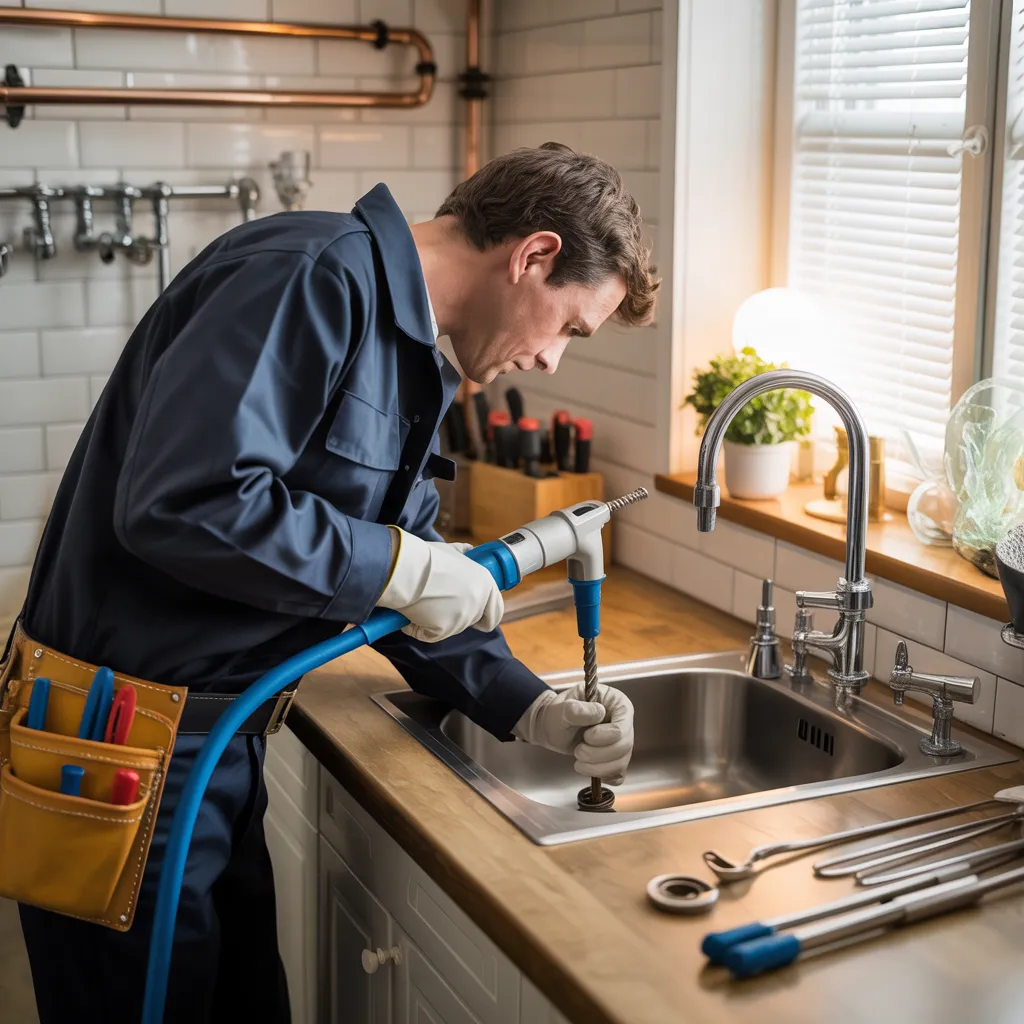
Homeowners often encounter numerous plumbing issues that can disrupt daily life. Common problems include dripping faucets, which not only result in water waste but also cause higher water bills. Clogged drains present another frequent challenge, typically resulting from hair, grease, or unwanted materials clogging the pipes. Additionally, toilet problems, including persistent running or inadequate flushing, can create significant inconvenience.
Water heater failures may result in irregular hot water availability, disrupting everyday activities. Additionally, burst pipes can cause severe water-related damage, requiring prompt action. Finally, sewer line complications may cause foul smells and possible health risks when not treated in a timely manner. All of these concerns, if ignored, can develop into more significant complications, underscoring the need for homeowners to stay informed about these typical plumbing issues.
Why Regular Plumbing Services Are Vital for Homeowners
Routine plumbing services play an essential role in keeping a home's plumbing system in optimal condition. Scheduled inspections and upkeep allow homeowners to detect problems before they develop into expensive repairs. By tackling small leaks, rust, and blockages promptly, homeowners can avoid major damage to their homes.
Furthermore, regular maintenance enhances the long-term performance of fixtures and plumbing appliances, keeping them running smoothly. Such a preventative strategy not only minimizes expenses down the line but also enhances water quality and lowers the likelihood of mildew and mold buildup.
Homeowners who prioritize routine plumbing upkeep can experience peace of mind, knowing that their systems are functioning effectively. Furthermore, routine upkeep can result in improved property value, as prospective buyers often look for well-maintained plumbing systems. Ultimately, routine plumbing services are a vital component of responsible homeownership.
Essential Emergency Plumbing Services You Should Be Aware Of
What occurs when a plumbing crisis suddenly arises? Homeowners frequently experience panic and distress, facing issues such as burst pipes, overflowing toilets, or severe leaks. To combat these challenges, several essential emergency plumbing services are fundamental. First, 24/7 emergency response is imperative, guaranteeing that assistance is accessible at any hour. Furthermore, water damage restoration services work to lessen the consequences of flooding, protecting property and belongings. Moreover, drain cleaning services are able to resolve unexpected clogs that cause backups, offering immediate relief. Leak detection services are also essential, locating concealed leaks before they develop into major issues. To conclude, sewer line repairs are capable of eliminating severe health dangers by tackling root infiltration and structural breakdowns. Knowing these top emergency plumbing services equips homeowners to act swiftly and effectively when crises arise, safeguarding their homes and peace of mind.
Selecting the Best Plumbing Expert
What steps can one take to make certain they hire the ideal plumber for their requirements? Start by researching local plumbers, prioritizing those with positive reviews and ratings. A reputable plumber should possess the necessary licenses and insurance, securing compliance with local regulations and offering protection against potential liabilities.
Additionally, evaluate their expertise and focus areas. Several plumbers may have strengths in residential services, while others direct their expertise toward commercial systems or targeted plumbing challenges. Obtaining quotes from several professionals can assist in evaluating pricing and available services.
To conclude, communication plays a vital role; a skilled plumber should be easy to talk to, happy to handle any concerns, and deliver transparent explanations of the work required. By taking these steps, homeowners can carefully select a skilled plumbing expert who addresses their unique needs and maintains the efficient performance of their plumbing systems.
Ways to Avoid Plumbing Problems in Your Home
Identifying the right plumbing professional is merely the initial step in keeping a functional plumbing system. Residents can adopt numerous proactive measures to minimize plumbing concerns. Routinely checking pipes for leaks or corrosion is essential; prompt identification can prevent costly repairs. In addition, maintaining debris-free and grease-free drains will help maintain proper water flow. It is advisable to use strainers in sinks and tubs to catch hair and food particles. Homeowners should also be cautious about what gets disposed of through toilets, avoiding items that can cause blockages. Additionally, regular servicing, such as flushing the water heater to eliminate sediment buildup, can increase its longevity. Finally, knowing the location of the main water shut-off valve is vital for addressing emergencies swiftly. By following these tips, homeowners can greatly reduce the likelihood of unforeseen plumbing issues.
What to Expect During a Professional Plumbing Inspection
When undergoing a professional plumbing inspection, homeowners can expect a detailed examination of their plumbing systems. Inspectors typically identify common issues such as clogs, leaks, and corrosion, while also supplying important maintenance advice. This assessment not only reveals existing problems but also assists in avoiding future plumbing issues.
Inspection Process Summary
A thorough inspection of the plumbing system is vital for upholding the quality of a household plumbing system. As part of the inspection process, a certified plumber inspects a range of components, including fixtures, pipes, and appliances. The inspection commences with a preliminary visual check to uncover any evident defects, followed by pressure evaluations to establish that the system has no leaks. The plumbing professional may also utilize advanced cameras to evaluate pipes that are not visible, supplying a full view of the plumbing infrastructure. Drainage and water flow are assessed to guarantee peak performance. Additionally, the inspector confirms conformity with local plumbing codes and regulations. Homeowners receive a thorough report outlining findings, which supports upcoming repairs and maintenance. This proactive method works to prevent expensive plumbing emergencies.
Common Problems Found
Detecting typical plumbing concerns is a essential aspect of a professional inspection. During an assessment, technicians generally check for pipe leaks, which can lead to water damage and mold growth. Blocked drains are another prevalent problem, frequently caused by debris accumulation or tree root intrusion. Additionally, worn-out fixtures, such as plumbing fixtures, may show signs of deterioration, including oxidation and surface degradation. Inspectors also evaluate the water pressure throughout the system, verifying they meet standard benchmarks, as both high and low pressure can indicate underlying problems. Finally, they examine the comprehensive status of the heating unit, checking for signs of leaks or corrosion. Resolving these typical concerns in a timely manner can mitigate the risk of severe damage and high repair costs down the line.
Important Maintenance Tips
Routine plumbing inspections offer homeowners with critical knowledge regarding the condition of their home systems. During a professional inspection, plumbers evaluate key components such as water heaters, pipes, and faucets. They check for leaks, blockages, and signs of corrosion, which can cause significant damage if left unaddressed. Homeowners can anticipate guidance on maintaining optimal performance, including regular drain cleaning and water pressure checks. Inspectors frequently assess the complete plumbing structure to detect problems before they worsen. It is beneficial to plan inspections once or twice a year to confirm systems stay in optimal condition. By following these upkeep guidelines, homeowners can increase the longevity of their plumbing and avoid unexpected emergencies.
Answers to Common Questions
How Often Do My Plumbing Fixtures Need Replacing?
Specialists suggest upgrading plumbing fixtures every ten to fifteen years, according to use and maintenance habits. Regular inspections can uncover signs of wear and tear, helping to maintain efficiency and avoid expensive repairs or water damage over time.
What Are the Warning Signs of Hidden Plumbing Leaks?
Indicators of concealed plumbing leaks consist of water marks appearing on walls or ceilings, unexplained increases in water bills, mold-related or moisture odors, and the persistent sound of flowing water. Identifying these issues early helps prevent additional damage and expensive repairs.
Can I Use Chemical Drain Cleaners Safely?
The use of chemical drain cleaners carries inherent risks; these products can deteriorate pipes and become hazardous if improperly handled. Following instructions diligently or opting for alternative solutions when clearing blockages is strongly encouraged to promote safety and reliable results.
Where Is My Main Water Shut-Off Valve Located?
To find the primary water shut-off valve, it is advisable to search near the perimeter of the home, typically in basements, crawl spaces, or garages. It generally looks like a round or lever-type valve attached to the primary water line.
What Should I Do During a Plumbing Emergency?
When faced with a plumbing emergency, it is important to immediately turn off the main water supply, carefully assess the damage, use towels or buckets to contain any leaks, and contact a professional plumber for urgent assistance and repairs.